

What Are the Warnings for Rollators?
Jul 23, 2025
Using a rollator walker can really boost your confidence and independence when walking. It gives you support, a place to rest and even a little basket for your stuff. Pretty sweet, right? But like anything with wheels and moving parts, it does come with a few warnings you shouldn’t ignore.
Whether you’re new to using a rollator or helping someone else get used to one, here’s what you need to know to stay safe while you roll.
1. Lock the Brakes Before You Sit Every Time
This one’s huge. Most rollators come with a seat, which is great for taking a break. But sitting down without locking the brakes? That’s a recipe for disaster.
If the rollator rolls out from under you mid-sit, you’re looking at a possible fall or injury. And nobody wants that.
What to do:
Make it a habit to lock both brakes before you even think about sitting. Give them a quick tug to make sure they’re actually locked.
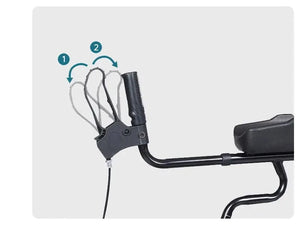
Elenker dual brakes: (2) squeeze to slow down and (1) press down to lock the wheels
2. Don’t Use It on Stairs or Steps
Rollators are designed for flat ground. Taking them up or down stairs—can be super risky. They’re not built for climbing or bouncing over steps, and you could easily lose balance.
What to do:
Stick to ramps when changing levels. If you absolutely have to deal with a step, get help. Don’t try to lift or bump the rollator on your own.

Elenker HFK-9236D4 all terrain rollator walker can go up the curb easily with foot lift, but still not suitable on stairs or steps
3. Watch Those Hills and Slopes
A rollator can feel like a runaway cart on a downhill slope. Even a small incline can make the wheels move faster than you can handle.
What to do:
Use your hand brakes gently to control your speed. And don’t lean too far forward when walking downhill—it’ll throw off your balance.
4. Keep Your Hands on the Handles
Tempted to carry a coffee in one hand and steer with the other? Or text while you roll? That might seem harmless, but it’s not a great idea. You need both hands on the rollator to stay stable.
What to do:
Add a cup holder or phone pouch if you need to carry things. Rollators have attachments for just about everything these days.

Elenker YF-9007E all-terrain rollator walker with front pouch for phone and cup holder for coffee
5. Check the Height Before You Start Rolling
If your rollator isn’t adjusted to the right height, you’ll notice it in your shoulders, back or posture pretty quickly. Too low, and you’re hunched. Too high, and your arms feel awkward.
What to do:
Set the handles so your elbows are slightly bent when holding on. Not sure? Ask a physical therapist or medical equipment provider for help—it’s worth it.

Elenker MT-8151 upright walker with adjustable height
6. Rugs, Cords and Clutter Are Trouble
Even the best rollator can’t handle cluttered floors. Small rugs, electrical cords and random stuff on the ground can trip up your wheels and send you flying.
What to do:
Clear your walking paths. Tape down cords, remove loose rugs and keep your space tidy—especially near doorways and high-traffic areas.

7. Don’t Overload the Basket
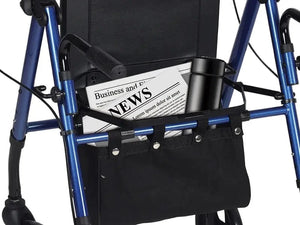
That little basket is handy, but it’s not built to carry a week’s worth of groceries or heavy bags. Too much weight in the front can make the rollator tip forward or feel harder to control.
What to do:
Use the basket for essentials only—keys, a water bottle, phone, maybe a light book. For heavier loads, grab a small backpack or ask for help.
8. Inspect It Regularly
A rollator may seem low-maintenance, but it still needs some TLC. Brakes can loosen, wheels can wear out, and screws can wiggle their way loose over time.
What to do:
Give it a quick once-over every few days. Make sure the brakes work, wheels turn smoothly, and nothing feels wobbly. If something seems off, get it checked.
9. It’s Not a Ride—Don’t Use It Like a Wheelchair
Some folks think, “Hey, there’s a seat—just push me!” But rollators aren’t designed to be pushed with someone sitting on them (unless it’s a special combo model).
What to do:
If you need someone to push you occasionally, look for a transport rollator—it doubles as a seat and has handles on the back made for pushing.

Elenker 2 in 1 rollator transport wheelchair combo
10. Be Extra Careful on Uneven Ground
Gravel, grass, cobblestones, and cracked sidewalks can mess with your rollator’s stability. Those small front wheels may wobble or get caught.
What to do:
If you’re heading outdoors often, get a rollator with larger, all-terrain wheels. And take your time—no need to rush through tricky surfaces.

Elenker upright rollator with large wheels
11. Don’t Use It If You’re Feeling Weak or Dizzy
It may feel comforting to have your rollator nearby, but it won’t help much if you’re feeling faint or unsteady. In fact, it could make things worse if you try to lean on it too much.
What to do:
Listen to your body. If you’re dizzy or weak, sit down immediately (with brakes locked, of course), and rest. If it happens often, talk to your doctor.
12. Not Everyone Should Use a Rollator
This might sound weird, but rollators aren’t for everyone. Some people may need more support or better braking options, especially if they have weak grip strength or severe balance problems.
What to do:
Get a professional opinion before using one long-term. A physical therapist can help you figure out what’s best for your body and needs.
Refer to article: who should not use a rollator walker?
Rollator walkers can make a world of difference when it comes to moving around more freely. But they’re not foolproof. Taking the time to understand the warnings—and actually paying attention to them—can save you from a fall or a frustrating accident.
Most of these are simple fixes: check your brakes, keep both hands on the handles, stay alert for uneven ground, and don’t overload the basket. A little caution goes a long way.
If you treat your rollator with care and use it the right way, it’ll support you right back.


