

What Diagnosis Will Cover a Walker?
Jul 25, 2025
Getting around isn’t always as easy as it used to be. Whether it's due to aging, injury or certain medical conditions, sometimes a little extra support - like a walker - can make a huge difference. But here’s the thing: walkers aren’t always cheap. So a common question people ask is, “What diagnosis will actually get a walker covered by Medicare or insurance?”
Who Needs a Walker?
Walkers aren’t just for people who’ve had surgery or broken a leg. They’re for anyone who needs help with stability, balance, or mobility. If your doctor says you’re at risk of falling or struggling to walk safely on your own, you might be eligible to get a walker covered.
But here’s the kicker: your diagnosis matters.
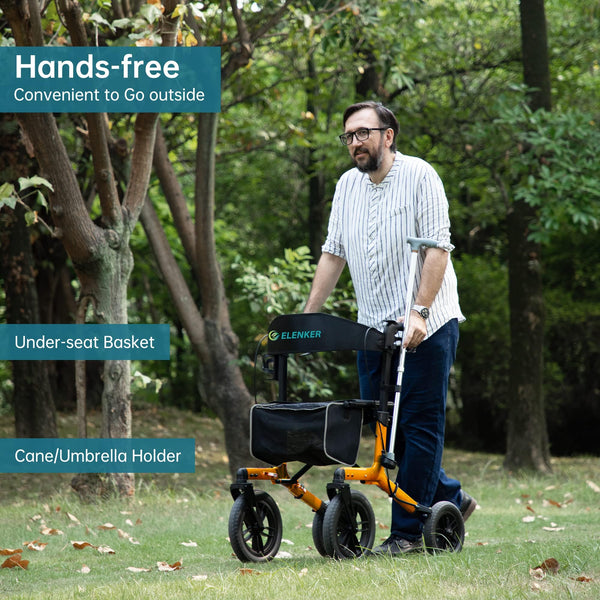
Elenker KLD-9212 All Terrain Rollator Walker
Conditions That Usually Qualify for a Walker
Below are some of the most common medical reasons doctors prescribe walkers - and insurance (like Medicare Part B) may help cover them:
Stroke (CVA)
If you’ve had a stroke, chances are you’re dealing with muscle weakness, poor coordination, or balance issues. Walkers are often part of stroke rehab and recovery. Medicare almost always considers this a legit reason.
Arthritis
Osteoarthritis or rheumatoid arthritis—especially in the hips, knees, or spine—can make walking painful or unsteady. A walker can help take the pressure off your joints and help you stay independent.
Balance Disorders & Frequent Falls
Some folks have trouble staying upright, especially as they age. Diagnoses like vertigo, vestibular disorders, or just general unsteadiness can support the need for a walker. If you’ve had more than one fall in recent months, that’s a red flag.
Multiple Sclerosis (MS)
MS messes with muscle control and nerve signals, which can make walking difficult. A walker can help folks with MS move more safely and confidently.
Parkinson’s Disease
People with Parkinson’s often have shuffling steps, tremors, and freezing episodes. A walker with hand brakes and wheels can offer the kind of steady support needed to stay mobile.
Hip or Knee Surgery
Got a new knee or hip? Or maybe you’re recovering from a fracture? A walker is usually part of the standard recovery plan to help you get moving without overdoing it.
COPD or Other Lung Issues
Chronic conditions like COPD, emphysema, or even heart failure can leave you short of breath. A walker with a seat lets you rest when you need to—especially if long walks aren’t an option anymore.

Elenker HFK-9236T4 upright walker with padded-seat and backrest for rest
Muscle Weakness or General Deconditioning
Sometimes, there’s no one big diagnosis—just a slow loss of strength due to age, a long hospital stay or other conditions. If your muscles just don’t have the strength to support safe walking, that can qualify too.
What Insurance Wants to See
Insurance (especially Medicare) won’t just hand over a walker because you ask nicely. Here’s what usually needs to happen:
A face-to-face doctor visit – Your provider needs to physically examine you and document why a walker is medically necessary.
A written prescription – This should include the type of walker (standard, wheeled, rollator, etc.).
Detailed medical records – Your diagnosis, symptoms and functional limitations should all be in the notes.
If all that checks out, Medicare Part B will typically cover 80% of the cost after your deductible, and you’ll handle the rest (unless you have a secondary insurance plan that picks up the balance).

Types of Walkers That Might Be Covered
Insurance might cover:
Standard walkers (no wheels, need to be lifted with each step)
Two-wheeled walkers (easier to push but still provide good support)
Rollator walkers (4 wheels, seat, and brakes—best for folks who still have decent control)
The type depends on your condition and what your doctor recommends.
A Quick Tip
When you’re talking to your doctor, be honest about your symptoms. If you’ve fallen, say so. If your knees hurt every time you stand, don’t downplay it. The more accurate the info, the easier it is to get that medical necessity documented properly.
What If You Don’t Qualify?
Not everyone gets the green light from Medicare or insurance. But that doesn’t mean you’re out of luck. You can:
(1) Look for refurbished or gently used walkers from medical supply shops.
(2) Check local nonprofits or senior centers—they often loan out mobility aids.
(3) Buy one online—some great options are available for under $100.
Just make sure you get the right type for your needs. Safety matters more than price tags.
Getting a walker covered by insurance comes down to having the right diagnosis and medical documentation. Conditions like stroke, arthritis, MS, Parkinson’s, and post-surgery recovery are some of the most common ones that qualify.
Talk to your doctor, don’t be afraid to ask questions, and if you think a walker could help you stay independent, it’s worth looking into. Staying mobile isn’t just about walking—it’s about living the life you want, with confidence and support.


