

Are Rollator Handles Comfortable to Hold?
Dec 01, 2025
If you’ve ever pushed a shopping cart with uncomfortable handles, you already know how important good hand grips can be. Now imagine using something similar every day to help you walk, balance or stay active. Rollator handles matter — a lot. And yes, they can be comfortable to hold, but not all of them feel the same.
In this guide, we’re digging into what makes rollator handles comfy, what makes them annoying, and how to pick a rollator that actually feels good in your hands. Think of this as advice you’d get from a friend who’s tried a bunch of walkers — casual, useful and easy to follow.
Why Handle Comfort Matters More Than People Think
Handles are the part of a rollator your hands touch every single time you use it. If they’re uncomfortable, too hard, too small or at the wrong height, you’ll feel it fast — in your hands, wrists, shoulders, even your neck.
If the rollator feels good to use, you’re more likely to walk farther, stand straighter, and feel confident moving around. Comfort isn’t a luxury here. It’s the foundation.
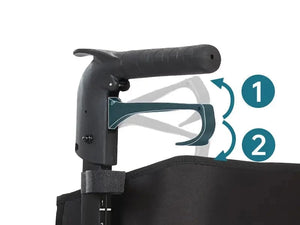
Elenker Standard Rollator Walker Handle: (1) squeeze to slow down and (2) press down to lock the wheels

Elenker Upright Rollator Walker Handle: (1) squeeze to slow down and (2) press down to lock the wheels
What Comfortable Rollator Handles Usually Have
Some rollators really nail the comfort factor. You’ll notice these features show up again and again in models people love.
1. Soft or cushioned grip material
Hard plastic handles are common on cheaper rollators, but they don’t do much for comfort. Soft-touch rubber, foam, or mixed-material grips feel better and give you something with a little “give.” They’re easier on arthritic hands and reduce pressure when you’re out for a longer walk.
2. Ergonomic shaping that fits your palm
Good grips are shaped to match the natural curve of your hand. That means less squeezing, less strain and a more relaxed grip. This matters especially if you tire easily or don’t have strong grip strength.
3. Anti-slip texture
Nobody wants their hand sliding while walking up a ramp or going downhill. Textured grips keep your hands steady without forcing you to grip too tightly. You get control without tension.
4. Adjustable handle height
A comfortable handle won’t feel comfortable if it’s too high or too low. When the height is correct, your elbows should bend slightly — enough to keep your shoulders relaxed and your back upright.
If your posture feels good, your hands will too.
How to adjust handle height of rollator walker
5. Vibration-reducing design
If you use a rollator outdoors, you’ve probably felt every bump, crack, or pebble through the handles. Some rollators absorb vibration better — usually the ones with larger wheels, better tires, or cushioned grips. This alone can make a huge difference during longer walks.

Some Elenker rollator walkers (Model: HFK-9211) feature a shock absorber suspension system to reduce vibration
Signs a Rollator’s Handles Might Not Be Comfortable
Even if you’re not sensitive to pressure, certain handle designs cause problems over time. Watch out for:
1. Thin, straight plastic handles
These don’t support your hand well. They force your wrist to work harder, which can lead to discomfort or fatigue.
2. No contouring
Flat, unshaped handles can cause pressure points, especially if you lean on your rollator for extra support.
3. Poor alignment with your posture
If the rollator makes you bend forward or reach too high, the handles will feel wrong no matter how cushioned they are. Comfort isn’t only about material — it’s about positioning.
4. Handles that get slippery when you sweat
Some plastics get slick when your hands are warm. That can make you over-grip and tire out quickly.
5. Harsh vibration transfer
Small wheels + uneven sidewalks = shaky, jittery handles. If you’ll be outdoors often, it’s worth looking for better wheels or softer grips.
How to Tell If Handle Height Is Right for You
This is one of the easiest — and most overlooked — ways to improve comfort instantly.
Here’s a simple test:
🗸 Stand naturally and relax your shoulders.
🗸 Let your arms hang down by your sides.
🗸 Bend your elbows slightly (about 15°–20°).
🗸 Now bring the rollator in front of you.
🗸 The handles should land right where your hands naturally hover.
If you have to hunch, lift your shoulders, lean forward or reach too far back — the height is off.
Even the best grips won’t help if your posture feels strained.
You might be interested in: What Size Rollator Walker Should I Choose?
What If You Have Arthritis or Weak Grip Strength?
Comfort becomes even more important if your hands get tired easily or you deal with joint pain.
Here’s what usually helps:
🗸 Thicker grip handles (more surface area = less effort)
🗸 Soft rubber or foam padding
🗸 Textured, anti-slip surfaces
🗸 Ergonomic contours that support your palm
You shouldn’t have to squeeze the handles tightly to feel stable. A comfortable grip should feel secure even with a relaxed hold.
Some users even add aftermarket handle covers for extra padding. They’re affordable and surprisingly effective.
Indoor vs. Outdoor Rollator Comfort
Believe it or not, where you use your rollator affects how the handles feel.
Indoor use
Smooth floors mean less vibration, so most soft-rubber grips feel comfortable enough.
Outdoor use
Sidewalk cracks, gravel, bricks, inclines — these all send little shocks into your hands.
For outdoor users, cushioned grips and larger wheels help reduce this.
Comfort isn’t just about softness — it’s about keeping your hands relaxed, even on bumpy ground.
Elenker Heavy Duty Bariatric Upright Walker Idoors and Outdoors
How Long Does It Take to Get Used to Rollator Handles?
Most people adjust within a few days. If the handles are shaped well and adjusted correctly, comfort almost feels instant.
But if something feels wrong even after a week — stiffness, tingling, soreness — that’s usually a sign the height or fit isn’t right.
Sometimes, all you need is a tiny height adjustment to fix the whole problem.
Do More Expensive Rollators Have More Comfortable Handles?
Not always. Price can get you better materials, smoother rolling and nicer design — but plenty of mid-range rollators have excellent grips.
What you want to look at is:
🗸 Grip material
🗸 Contour shape
🗸 Adjustability
🗸 Wheel size (affects vibration)
🗸 Reviews specifically mentioning comfort
Comfort doesn’t care about price tags — it’s about fit and thoughtful design.
So Are Rollator Handles Comfortable?
They can be very comfortable, as long as you pick the right design and set it up correctly.
Soft materials, ergonomic shapes, good texture and proper handle height make a huge difference.
If your hands feel relaxed and secure, walking becomes easier, posture improves and you’ll feel more confident using your rollator - whether that’s around the house or on daily outdoor walks.


