

Can I Use a Rollator with a Broken Leg?
Jul 29, 2025
So you've got a broken leg. Ouch. Whether it happened from a fall, a sports accident or something ridiculous like tripping over your cat, you're now in the world of mobility aids. And you’re wondering: Can I just use a rollator to get around? Short answer? Not right away. But let’s break it down.
Not All Mobility Aids Work the Same Way
Rollators are awesome for stability and support when both legs can still do some of the work. They’ve got wheels, brakes and even a little seat. But they’re not meant to carry all your weight. If your leg’s in a cast or your doctor says “don’t put weight on it,” a rollator won’t do the trick - it could actually make things worse.

Elenker HFK-9240 upright walker allows you to walk in an upright, more natural position.
When a Rollator Is Not the Right Call
If your broken leg is still in the early healing stage, your doctor has probably told you to keep weight off it. That means:
(1) No walking with both feet.
(2) No casual strolls with your fancy rollator.
(3) Definitely no hopping along behind wheels.
A rollator needs you to have at least partial use of both legs. If you try to rely on it when you can’t bear weight on one side, it’s unstable - and that’s the last thing you need when you’re already injured.
So What Can You Use Instead?
If you're not allowed to put weight on that leg yet, here are some smarter, safer options:
(1) Crutches – Classic, effective, but can get tiring.
(2) Standard walker with no wheels – Very stable, just a bit bulky.

(3) Knee scooter – A lifesaver if your injury is below the knee.

Knee walker scooter for various terrains
(4) Wheelchair – For complete non-weight-bearing mobility and less energy drain.
Each has its pros and cons, but they all offer more solid support than a rollator in this stage.
But What About Later?
Now here’s where a rollator might shine - after your healing has progressed.
Once your doctor or physical therapist gives you the green light for partial weight-bearing, a rollator can be a solid upgrade from crutches or a walker. It’s less bulky, easier to maneuver, and it gives you some independence back.
When might a rollator be useful?
(1) You’re transitioning from crutches to walking again.
(2) You’ve got decent balance but need a little help.
(3) You’re doing rehab and need something light for short walks.
(4) You're mostly okay, but that leg still feels a bit wobbly.
Just make sure you're not rushing it. Always get that professional “okay” before switching gear.
Using a Rollator the Right Way (When It's Time)
If you’ve reached the point where a rollator is an option, here are a few quick tips to use it safely:
(1) Adjust the handles to the right height (your elbows should bend slightly).
(2) Use the brakes—seriously, they’re not just there for show.
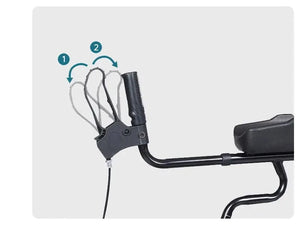
Dual Brakes: (2) squeeze to slow down and (1) press down to lock the wheels
(3) Don’t lean too hard—your rollator isn’t a crutch.
(4) Take it slow, especially at first.
Start with short walks around the house. Then try around the block. If all goes well, you’ll be back to your usual routes (just maybe avoid cat ambushes this time).
What If You’re Still Limping?
Even after your leg has healed enough to walk on, you might not be walking totally normally yet. A rollator can help you move without limping or putting too much pressure on the leg too soon. It can keep you upright, stable and safer as your stride gets back to normal.
On-the-Go with a Rollator
Once you're mobile enough to be out and about, a rollator can be a big help. Most models fold up easily and fit in the trunk of a car. They’re also great if you need to sit and rest here and there - grab one with a padded seat and you’ve got a rolling chair with brakes.

Elenker upright rollator with padded-seat & backrest
Just don’t forget: no using it too early. Healing comes first.
So you can't use a rollator with a broken leg in the beginning. A rollator needs both legs doing some of the work. If your leg’s fresh out of surgery or still under a no-weight rule, you’ll need something sturdier—like crutches, a knee scooter, or even a wheelchair.
But as you recover and start walking again, a rollator might be your best companion. It's lightweight, comfortable, and makes walking a lot less scary after being laid up for a while.
Talk to your doctor or physical therapist first. Once they say you’re good to go, you can roll on.


