

4-Wheel Rollator Walker Buying Guide for Elderly Users
Jun 18, 2026
Getting older doesn't mean giving up independence. For many seniors, staying active is one of the most important parts of maintaining a healthy and enjoyable lifestyle. Whether it's walking around the neighborhood, shopping at the local grocery store, or simply moving comfortably around the house, having the right mobility support can make everyday life much easier. That’s why elderly users need a 4-wheel rollator walker.
Unlike traditional walkers that need to be lifted with every step, rollator walkers roll smoothly across the floor and provide support without interrupting your natural walking pattern. They also come with useful features like seats, hand brakes, and storage bags, making them a popular choice among older adults who want both mobility and convenience.
If you're shopping for a rollator walker for yourself or a loved one, this guide will help you understand what matters most before making a decision.
Elenker 4-wheel rollator walker for elderly daily use
Why More Seniors Are Choosing Rollator Walkers
Mobility challenges become more common with age. Joint pain, reduced balance, muscle weakness, and fatigue can all make walking more difficult than it used to be. According to the U.S. Centers for Disease Control and Prevention (CDC), regular physical activity helps older adults maintain independence, improve balance, strengthen muscles and reduce the risk of falls. The CDC also notes that physical activity can help seniors stay independent for longer.
A rollator walker can help seniors stay active by providing extra support while allowing them to continue walking comfortably and confidently. Many users find that they can walk longer distances because they know they have a seat available whenever they need a short break.
What Is a 4-Wheel Rollator Walker?
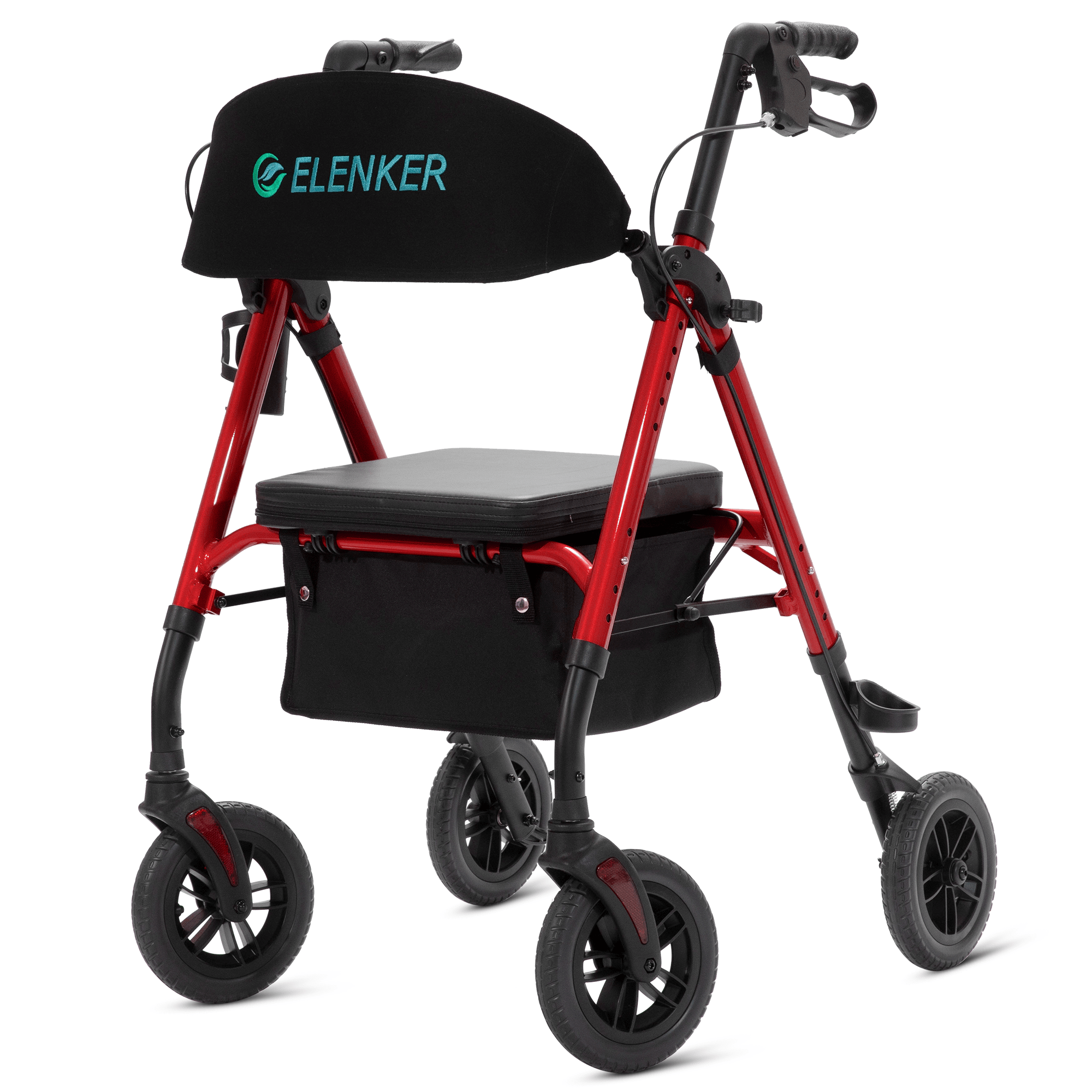
Elenker 4-wheel rollator walker with 10" wheels
A 4-wheel rollator walker is a mobility aid designed for people who need walking assistance but still have enough strength and coordination to safely control a wheeled device.
Most models include:
- Four wheels
- Ergonomic handles
- Hand-operated brakes
- A padded seat
- A backrest
- A storage basket or bag
Because the walker moves with the user, there is no need to lift it repeatedly. This often results in a smoother and less tiring walking experience.
Wheel Size Matters More Than You Think
One of the first things you'll notice when comparing rollator walkers is wheel size. Smaller wheels are usually fine for indoor use on smooth floors. They make the walker lighter and easier to maneuver through tight spaces. Larger wheels perform better outdoors. They can roll more smoothly over sidewalks, pavement cracks, grass, and uneven surfaces.
If the user spends most of their time indoors, a standard wheel size may be perfectly adequate. If they enjoy outdoor walks, visiting parks, or traveling, larger wheels are often worth considering. Many experienced users report that larger front wheels make outdoor walking noticeably easier because the walker is less likely to catch on small obstacles.

Elenker rollator walkers with seats with at least 8" wheels for indoors and outdoors
Finding the Right Seat
The built-in seat is one of the biggest advantages of a rollator walker. For seniors who experience fatigue, shortness of breath, or limited endurance, having a place to sit can make outings far less stressful.

When evaluating seat comfort, consider:
- Seat width
- Seat height
- Cushion thickness
- Backrest support
A seat that is too narrow may feel uncomfortable, while a seat that is too low can make standing up more difficult. If the user plans to spend time at parks, community events, or shopping centers, a comfortable seat becomes even more important.
Choosing the Proper Handle Height
A surprising number of mobility issues come from improperly adjusted handles. When the handles are too low, users often hunch forward, which can strain the neck, shoulders, and back. When the handles are too high, maintaining control becomes more difficult. A good rule is that the handles should align roughly with the crease of the wrist when the user stands upright with relaxed arms. Proper adjustment encourages better posture and safer walking.

Brakes Are a Critical Safety Feature
Many people focus on wheels and seats while overlooking the importance of the braking system. A quality rollator should have brakes that are easy to squeeze and lock. Before sitting down, users should always engage the parking brakes to prevent the walker from rolling unexpectedly. This simple habit can significantly improve safety during daily use.
According to the CDC, falls remain one of the leading causes of injury among adults aged 65 and older. Fall prevention strategies play an important role in helping seniors maintain independence. Because of this, reliable brakes should never be treated as an optional feature.

Lightweight vs. Heavy-Duty Models
There is no single answer when choosing between lightweight and heavy-duty rollators. Lightweight models are easier to lift into a car and transport during travel. They are often preferred by active seniors who frequently leave home.
Heavy-duty models generally offer:
- Higher weight capacities
- Larger seats
- Increased stability
- Stronger frames
The best choice depends on the user's body size, strength, and daily activities. Always check the manufacturer's recommended weight capacity before purchasing.
Indoor Use or Outdoor Adventures?
Think about where the rollator will be used most often. For indoor use, compact designs are often easier to navigate around furniture, doorways, and narrow hallways. For outdoor use, features like larger wheels, stronger frames, and enhanced stability become more valuable. Some seniors spend nearly all of their time indoors, while others enjoy regular walks through neighborhoods and parks. Matching the walker to the intended environment often leads to greater comfort and satisfaction.
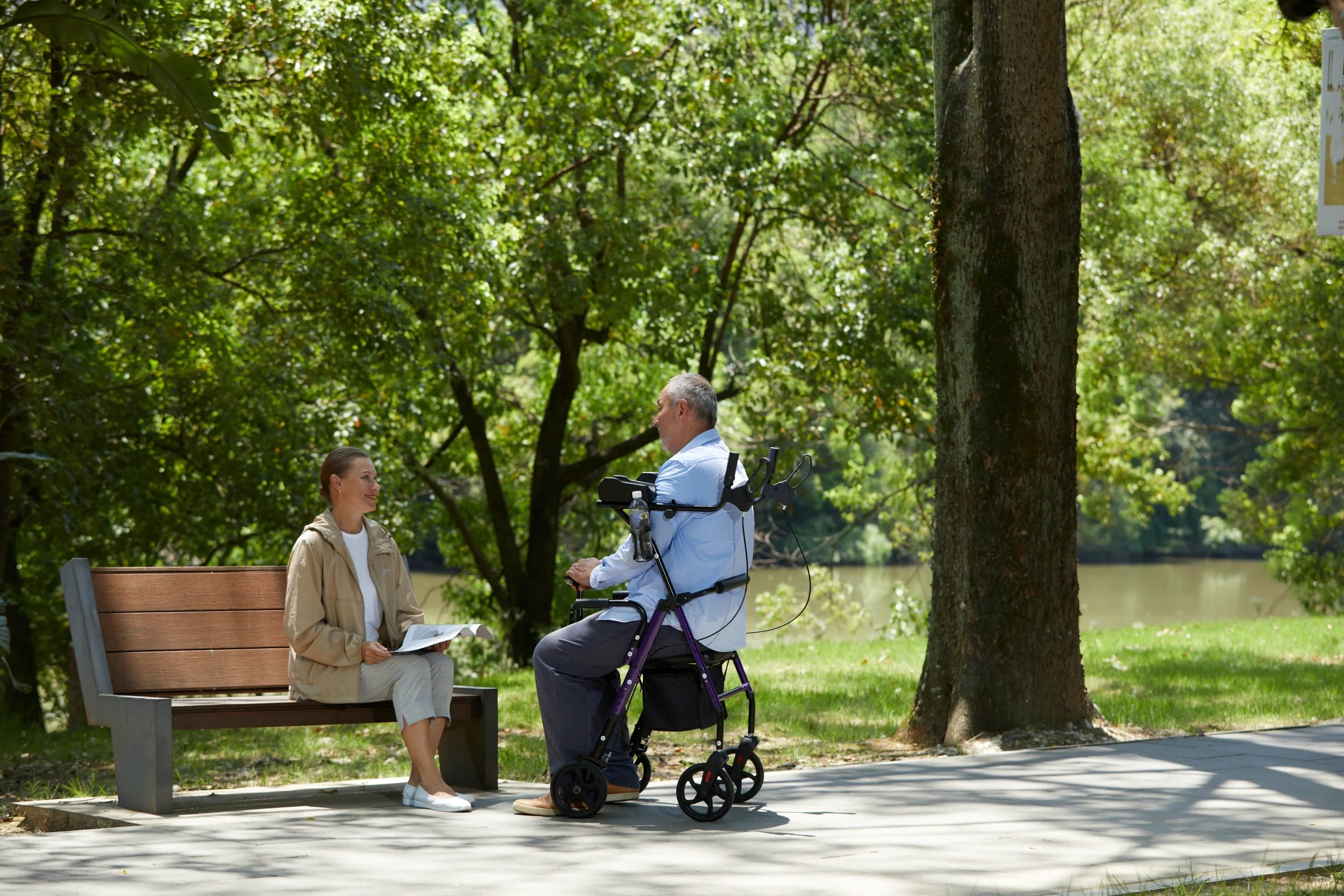
Storage Features Can Make Daily Life Easier
Storage may seem like a small detail, but it quickly becomes one of the most appreciated features. A basket or storage bag allows users to carry:
- Water bottles
- Mobile phones
- Medication
- Wallets
- Groceries
- Personal belongings
Without storage, many users end up carrying bags by hand, which can reduce stability and increase fatigue. A well-designed storage compartment helps keep both hands free for safer walking.
Popular Brands to Consider
Several manufacturers offer quality rollator walkers designed for older adults. One brand that many shoppers encounter is Elenker. The company offers a variety of rollator walkers, including traditional models, upright walkers, and heavy-duty options.
Upright rollators have become increasingly popular because they encourage users to walk with a more natural posture rather than leaning forward. As with any mobility product, it's important to compare specifications, weight limits, wheel sizes, and adjustment options before making a purchase.

Staying Active Is Still Important
A rollator walker should support movement, not replace it. Research consistently shows that regular activity helps older adults maintain strength, balance, mobility, and overall health. The CDC recommends that adults aged 65 and older include aerobic activity, muscle-strengthening activities, and balance exercises as part of their weekly routine.
Walking remains one of the simplest and most accessible forms of exercise for many seniors. With the right rollator walker, older adults may feel more comfortable staying active and participating in everyday activities.
Questions to Ask Before Buying
Before choosing a 4-wheel rollator walker, ask yourself:
- Will it be used mostly indoors or outdoors?
- Can the user comfortably operate the brakes?
- Is the seat comfortable enough for regular use?
- Will it fit in the trunk of a car?
- Is the handle height adjustable?
- Does the weight capacity exceed the user's needs?
- Will larger wheels improve mobility on local walking surfaces?
Answering these questions can help narrow down the options and lead to a better long-term fit.
Choosing a Rollator That Fits Your Lifestyle
The best rollator walker is not necessarily the most expensive one. It's the one that matches the user's daily routine, physical needs, and personal preferences. Some seniors prioritize portability. Others want maximum stability. Some need a comfortable seat for frequent rests, while others focus on outdoor performance.
A thoughtfully chosen 4-wheel rollator walker can help older adults remain active, confident, and independent while making everyday movement more comfortable and enjoyable.


